Blog
Insights on career growth, upskilling, and the future of learning
AI Skills Have a Shelf Life. Here Is How to Tell What Has Expired.
The AI skills you built a year ago are aging at different speeds. A ten-minute audit shows which ones to refresh, which to retest, and which will keep paying off.
If the Workflow Is Unchanged, You Added a Step
Adding AI to one task often makes the work slower. The gain comes from redesigning the workflow around it. A recruiting example shows how.
After the AI Training: What Should Happen, and How to Measure It
Completion rates tell you who finished a course and very little about whether the work changed. Here is what to expect in the months after AI training, which measures matter, and which ones mislead. Part 2 of 2.
Budgeting for AI Training in FY2027: What to Have in Place and How Much to Spend
AI tool licenses are already in next year's budget. Before you ask for the skills line, put a minimum strategy and policy in place, then build the number from four cost lines instead of a per-head guess. Part 1 of 2.
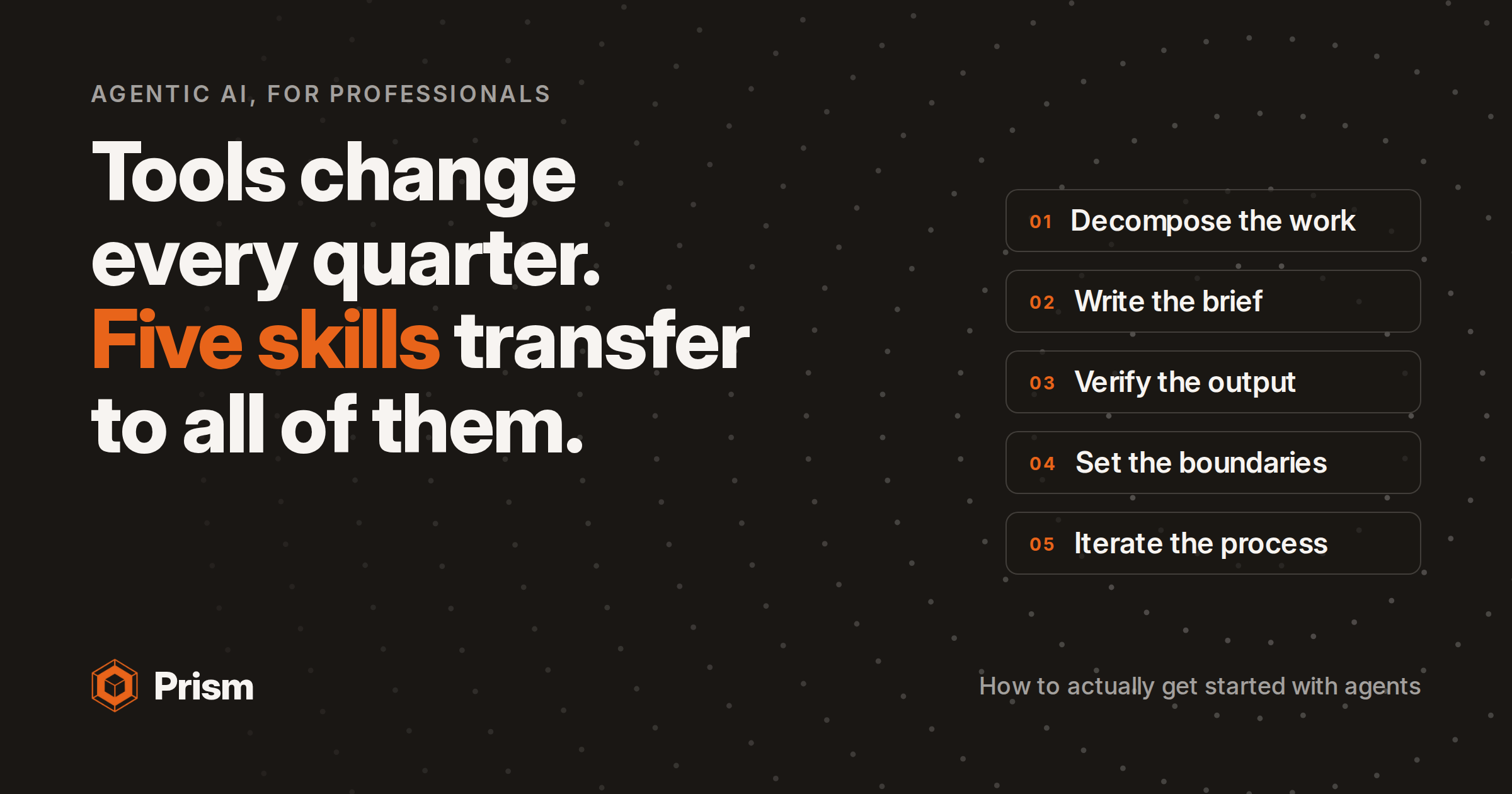
Agentic AI Is Everywhere. Here Is How to Actually Get Started.
Everyone is talking about AI agents. Most professionals still have no idea where to begin. The answer is to start with five skills that outlast any tool, then run one small workflow for 30 days.
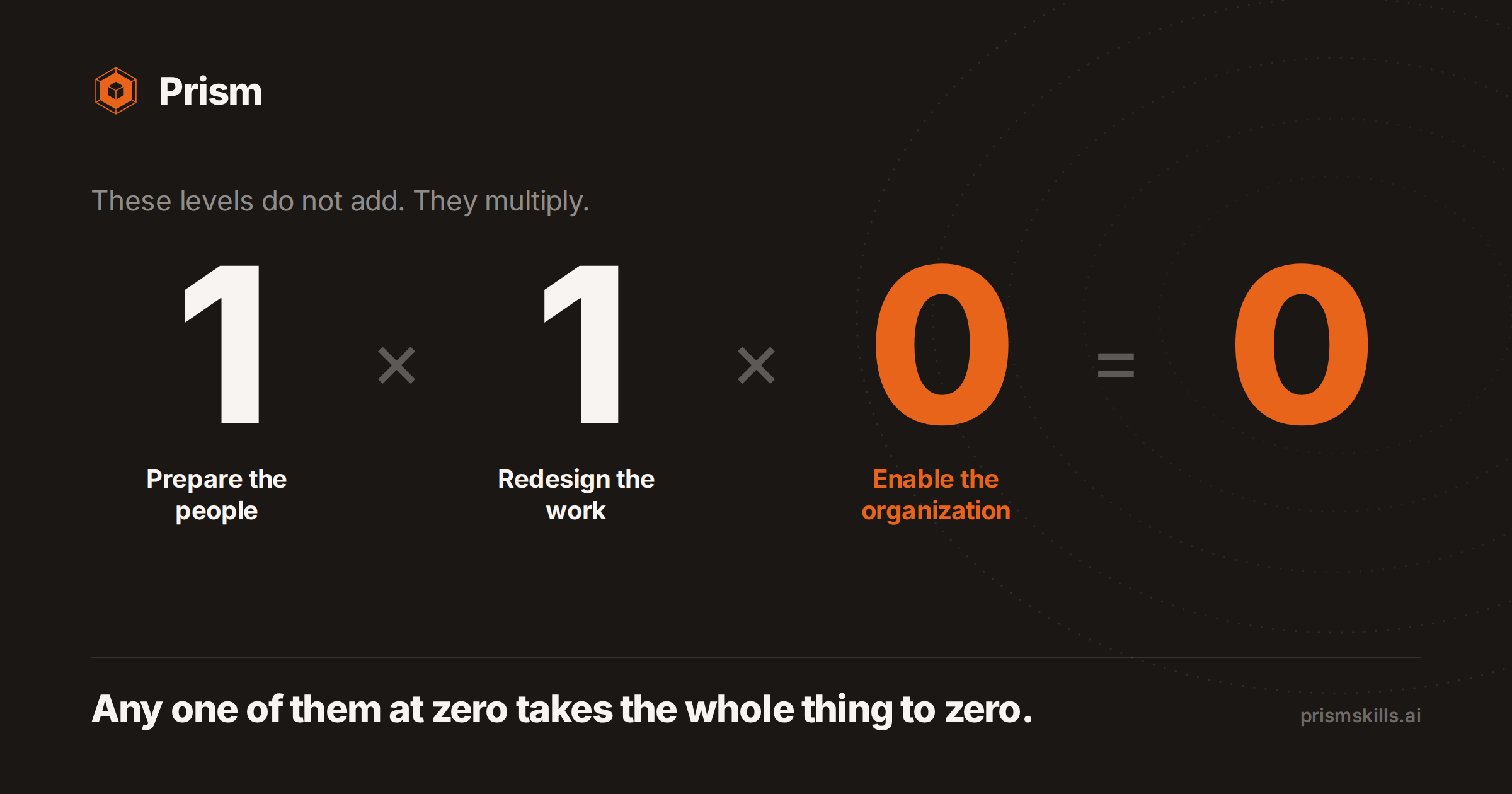
Three Levels of AI Enablement. Any One at Zero Takes the Whole Thing to Zero.
Most organizations are investing in AI training while ignoring the other two things that determine whether any of it sticks. The levels don't add. They multiply, and that changes everything about how you build an AI-ready organization.
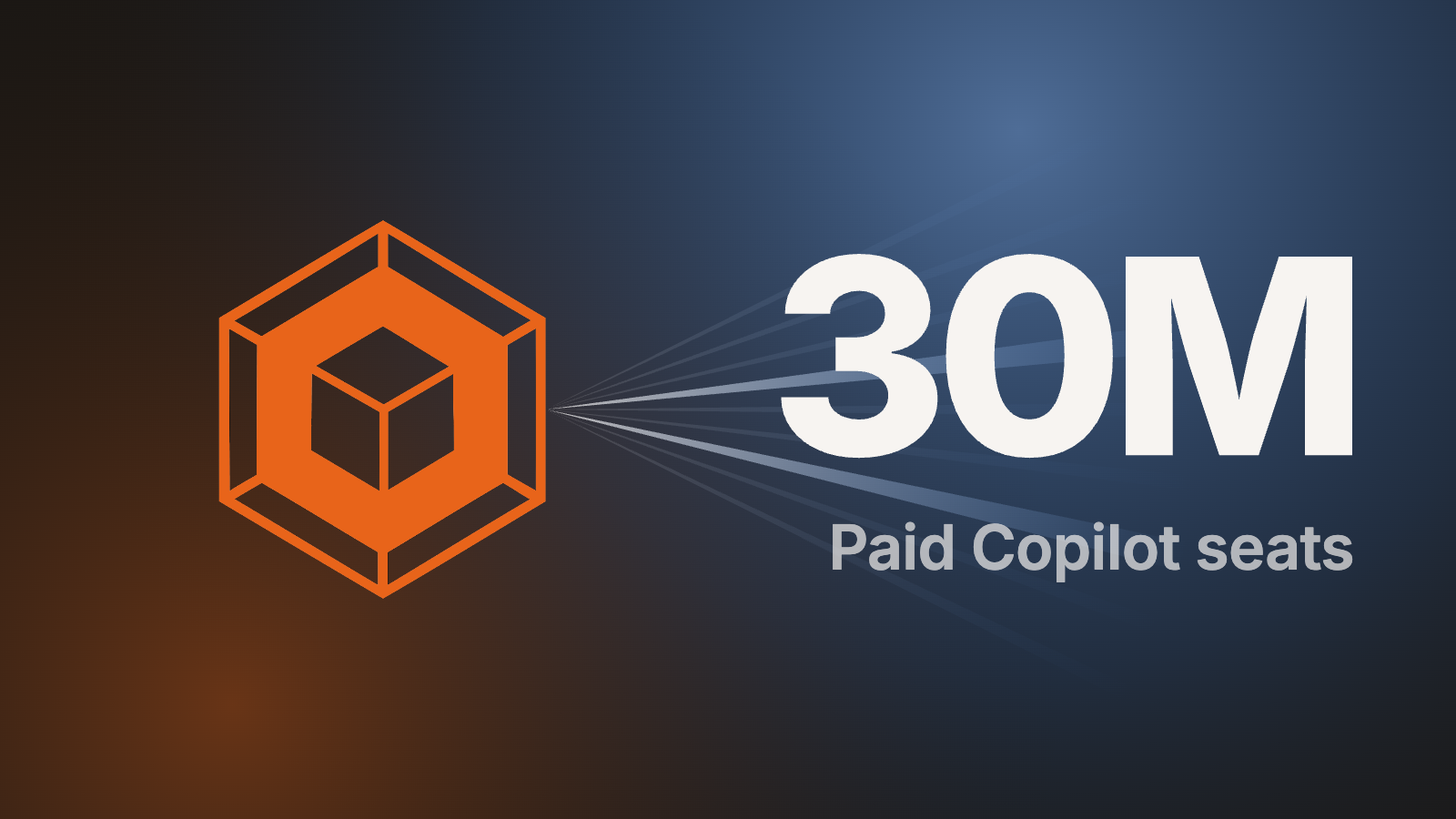
Copilot Seats Are Easy. Copilot Habits Are Hard.
Microsoft just reported 30 million paid Copilot seats. That number says a lot about what companies bought, and nothing about what their teams can do. Here's the gap between the two.
The 5 AI Mistakes Professionals Make in Their First 90 Days
Nobody taught you how to work with AI, so you taught yourself. That's why the same five habits show up in almost everyone's first three months — and why they're all fixable.
Finding the Skills Gap Is the Easy Part. Closing It Is Where Most Programs Fall Apart.
Most organizations that identify AI skills gaps respond the same way: assign more training. It rarely works. Here's what targeted intervention actually requires — and why the distance between knowing and fixing is bigger than it looks.
What 'AI-Ready' Actually Means for Your Role
'AI-ready' is everywhere. But what it actually means depends entirely on who you are and what you do. Here's what the term should look like for four common professional roles — and how to know where you stand.
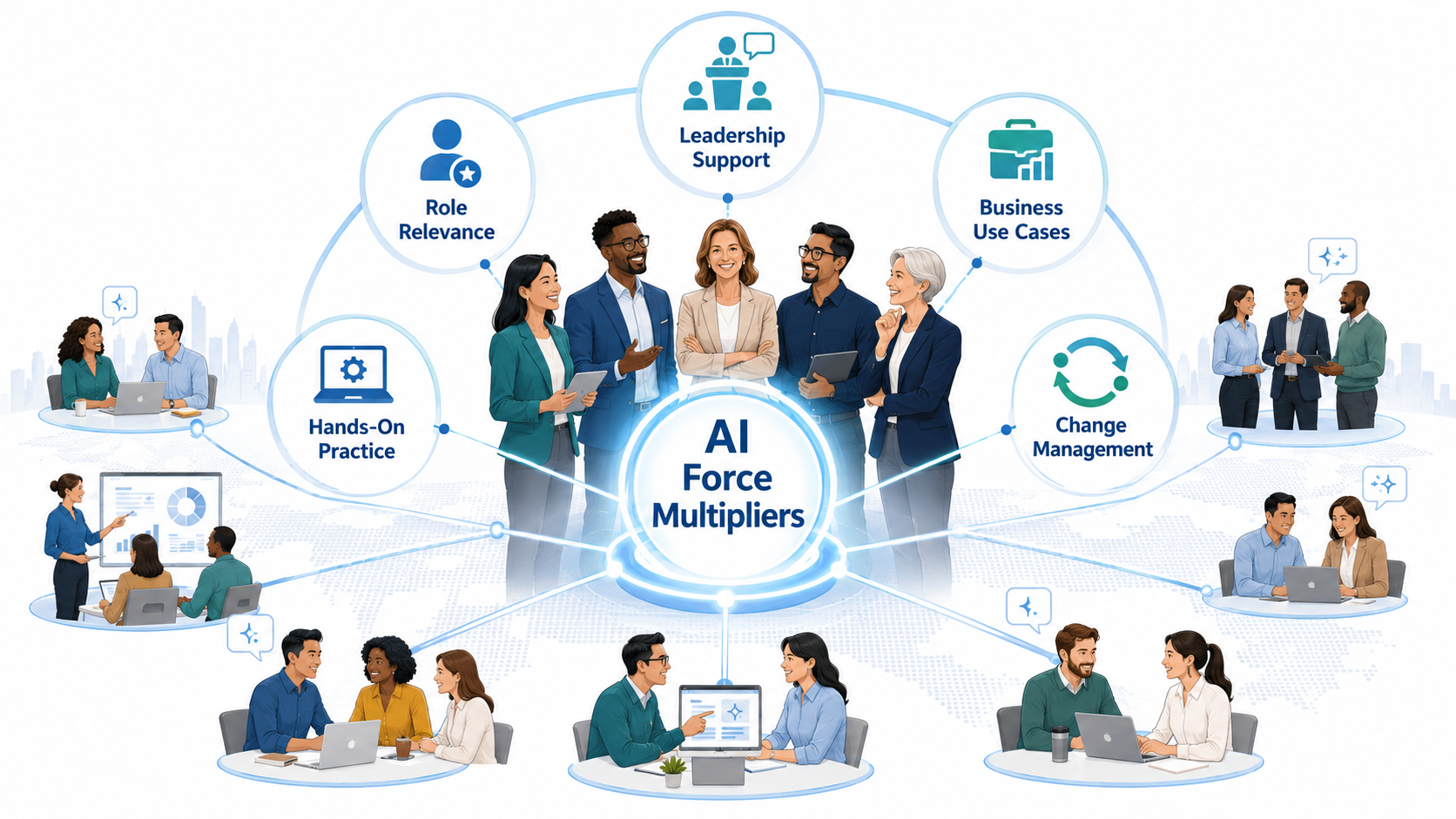
AI Adoption Is Not a Training Problem. It Is a Change Management Problem.
Most organizations are still treating AI adoption like a software rollout. The missing layer isn't more training — it's change management, role relevance, and the right people leading from the inside.
Why Your $50K AI Investment Isn't Working (And How to Fix It)
Companies are spending heavily on AI tools, yet most employees barely use them. Here is why traditional AI training fails, and how Prism Skills helps teams go from 'we have AI' to 'we use AI daily' in 30 days.
Q1 Is Over. Is Your Team Actually More AI-Capable Than They Were in January?
Q2 starts today. Before you set new goals, it's worth asking an honest question: has anything actually changed in how your team uses AI? Here's how to find out.
Your Team Took an AI Course. Now What?
Most organizations have checked the AI training box. Few have seen it change how their teams actually work. Here's why — and what to do differently.
AI Fluency Isn't a Knowledge Problem. It's About Hands-On Practice.
Most AI training teaches you concepts. But AI competency is a doing skill — like writing or coding. Here's why hands-on practice changes everything, and what it actually looks like.
Learning Velocity: How Fast-Growing Professionals Accelerate Skill Development
Top performers don't just learn more—they learn 3x faster. Here's the science-backed framework for maximizing your learning velocity without burning out.
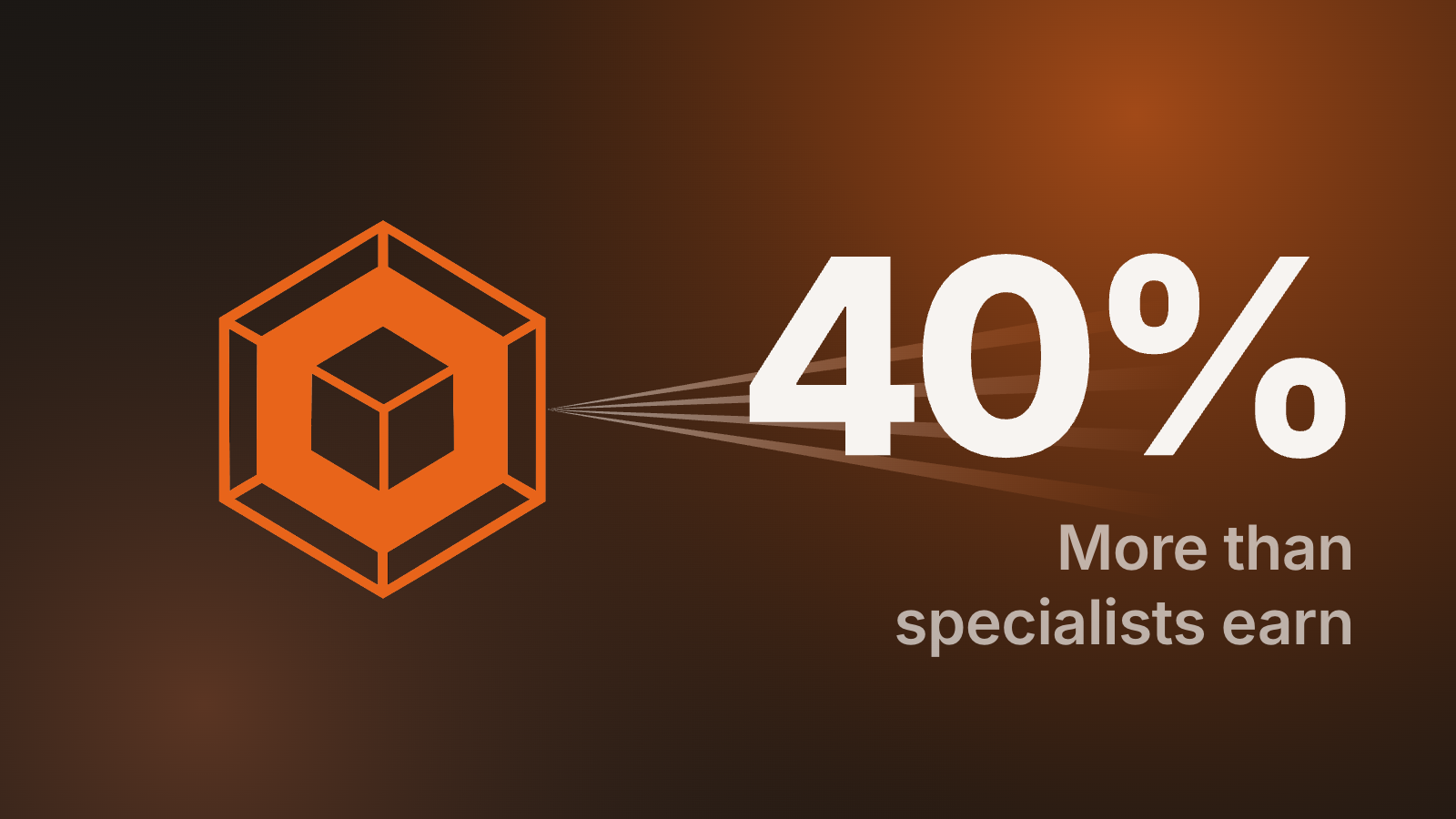
The Skill-Stacking Strategy: How to Build Competitive Advantage in 2026
Professionals with 3-4 complementary skills earn 40% more than specialists. Here's how to strategically stack skills for maximum career impact.
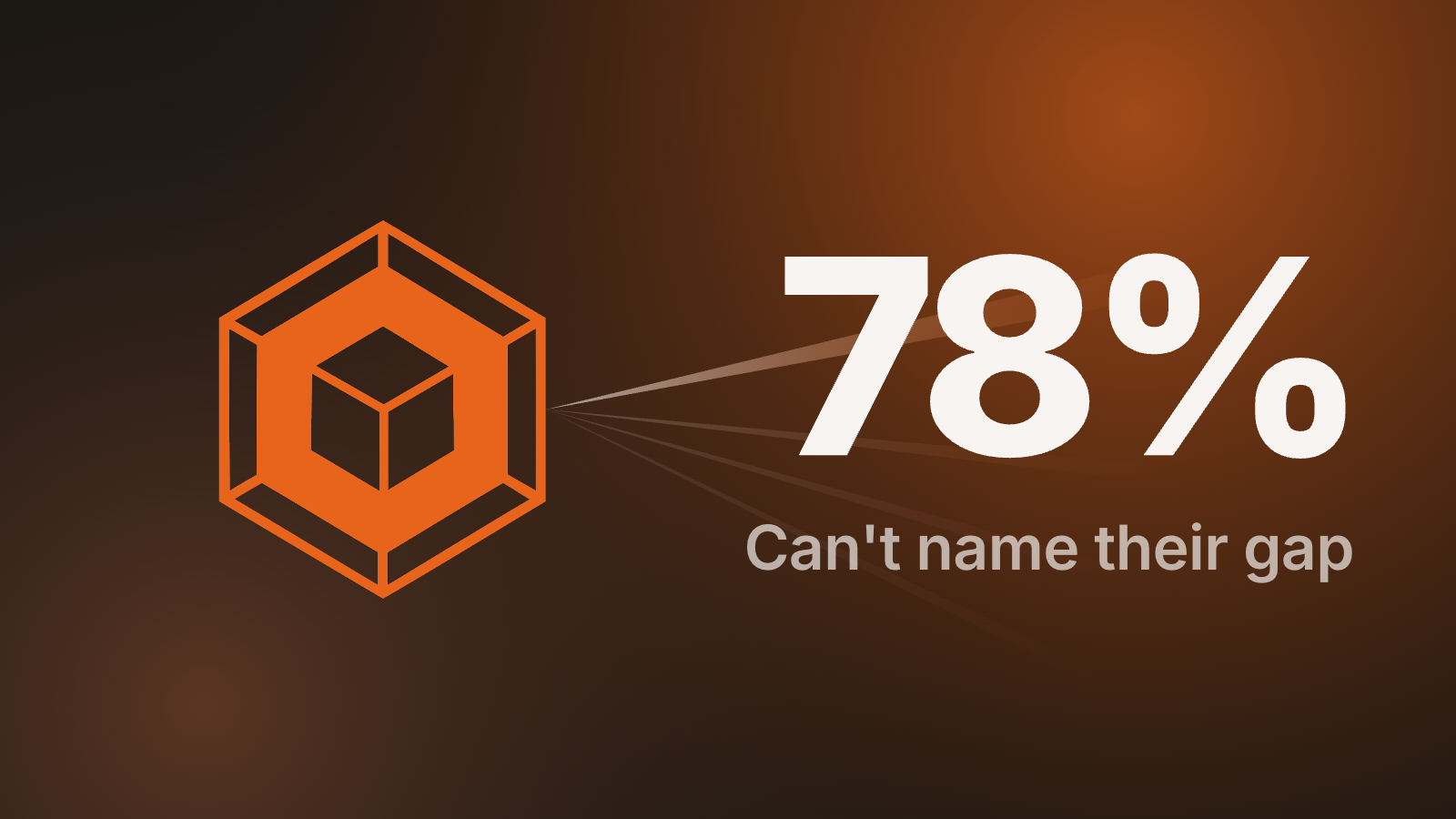
The 30-Minute Skills Gap Audit: Find What's Holding You Back
78% of professionals can't accurately identify their biggest skill gaps. This simple audit reveals exactly what's blocking your next promotion—in under 30 minutes.
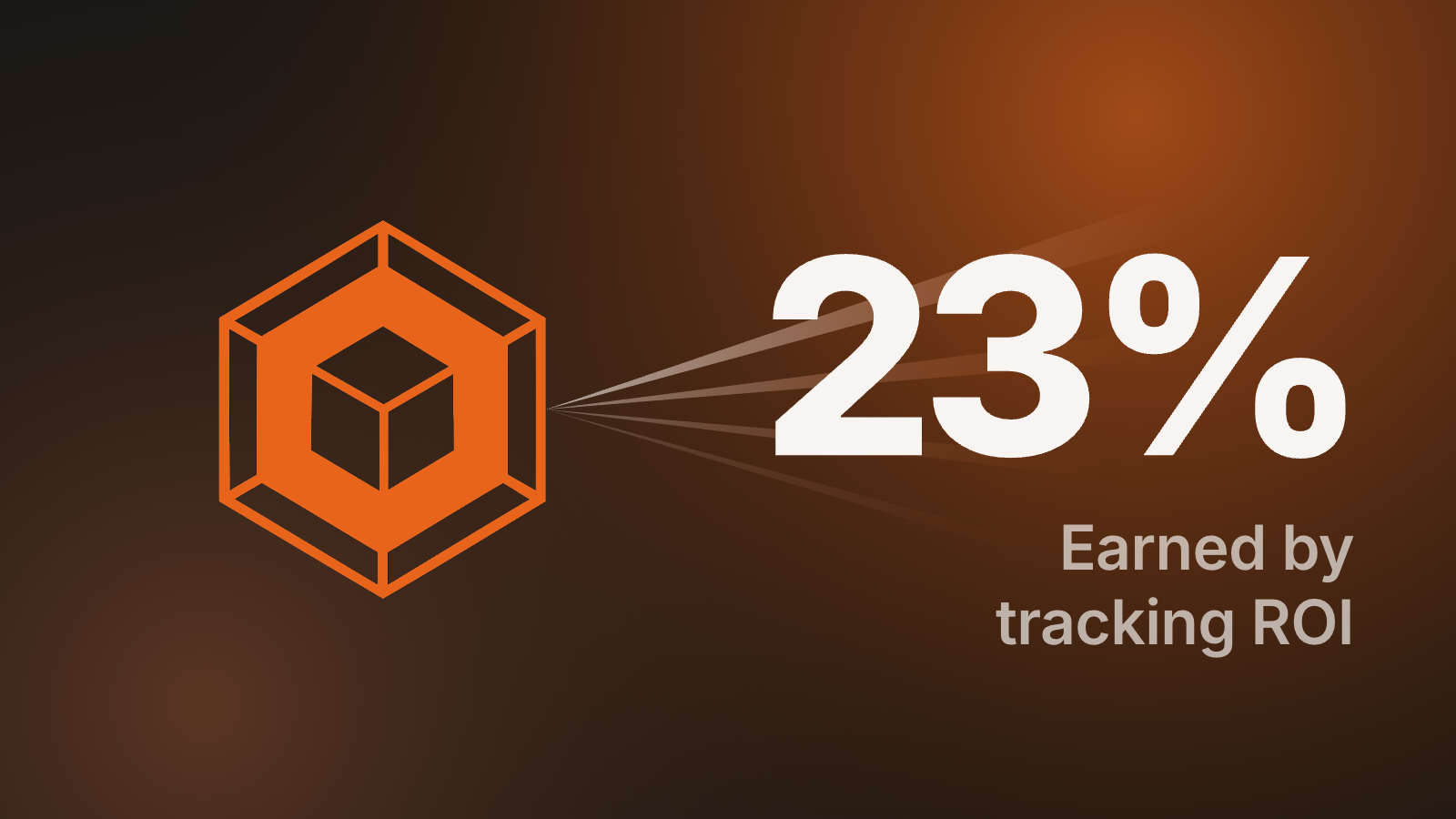
Calculate Your Skills Investment ROI: Is Your Learning Worth It?
Professionals who track their learning ROI earn 23% more than those who
Your 2026 Career Investment: Planning Professional Development That Actually Works
Most professional development plans fail by February. Here's how to create one that actually drives your career forward in 2026.
The Future of Corporate Learning: What's Coming in 2026
The next 12-18 months will transform corporate learning more than the last decade. Here's what's coming and how to prepare.
Real Results: How 5 Professionals Transformed Their Careers in 90 Days
Meet the professionals who went from skill gaps to job-ready in one quarter. Here are their exact strategies, timelines, and outcomes.
Upskilling Your Team Without Breaking the Bank (or Their Schedules)
Traditional team training costs $1,200/employee and requires 40 hours off the floor. Here's how smart organizations do it in 20 hours for $200.
Becoming a Data-Driven Product Manager: Your 90-Day Roadmap
Product managers who leverage data effectively ship 40% more successful features. Here's your practical guide to becoming one of them.
AI for Business Leaders: What You Need to Know (Without the PhD)
A practical guide for executives who need to understand AI's business impact without becoming technical experts.
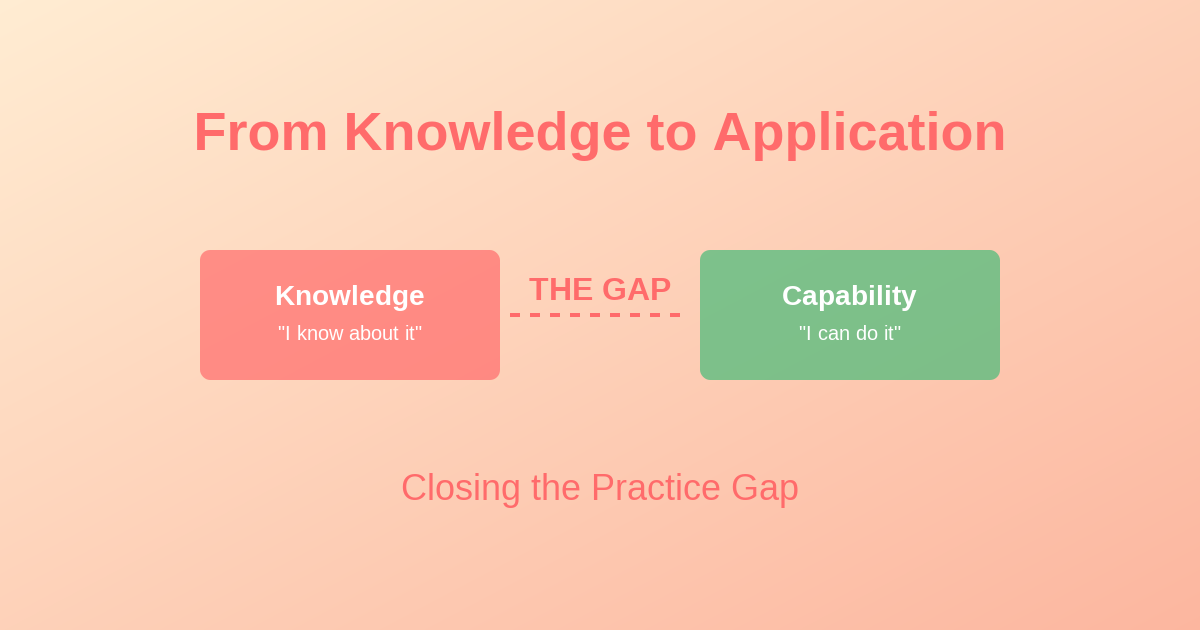
From Knowledge to Application: Closing the Practice Gap
You completed the course. You passed the quiz. But can you actually DO the thing? Here's why 85% of training fails at the final step.
The Science Behind Microlearning: Why 20 Minutes Beats 2 Hours
Neuroscience reveals why your brain learns better in small chunks. Here's the research that explains why microlearning actually works.
AI-Powered Learning vs. Traditional Courses: What Actually Works
Traditional online courses promise transformation but deliver 15% completion rates. AI-powered learning is changing the game—here's how.
Career Switchers: How to Upskill Without Quitting Your Job
56% of professionals want to change careers but feel trapped. Here's your practical roadmap to make the switch while staying employed.
The Hidden Cost of Skill Gaps in Your Organization
Skill gaps cost companies an average of $1.2M annually in lost productivity. Most organizations have no idea how much they're actually losing.
Why Traditional Learning Fails Busy Professionals (And What Works Instead)
Discover why conventional training programs don't work for modern professionals and how microlearning offers a better path forward.